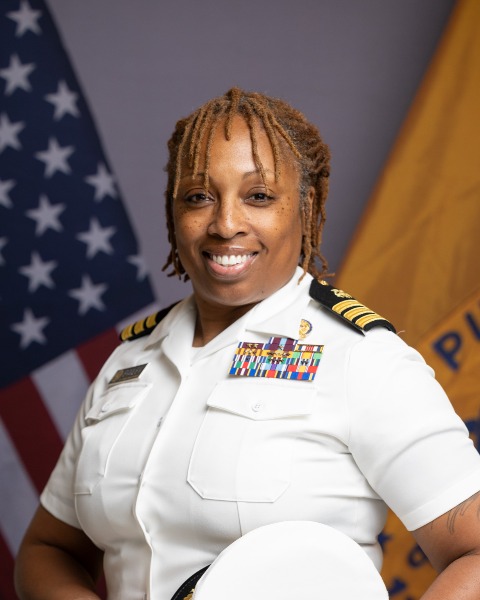
Emergency Management Specialist USPHS Raleigh, North Carolina, United States
As disasters become more frequent and complex, public health and medical responders are expected to sustain high-tempo operations for extended periods while serving communities in crisis. Evidence from recent large-scale events demonstrates that public health responder strain including workload intensity, ethical stress, and work-life imbalance-pose a significant risk to operational continuity in disastrous times. This session reframes responder resilience for ESF-8 personnel as an operational capability rather than a wellness enhancer.
The session presents a responder resilience model tailored to public health and medical response teams that integrates behavioral health or resilience capacity training, fatigue and sleep risk management, leadership practices, and deployment-related peer and life support platforms across preparedness, response, and recovery operations. Drawing on cross-jurisdictional response lessons and federal health preparedness coordination, the presentation demonstrates how responder resilience can be embedded into preparedness planning, incident action planning, and multi-level exercises.
Participants will explore practical strategies, leave with adaptable tools and measurable indicators that can be applied across jurisdictions without major funding requirements.